
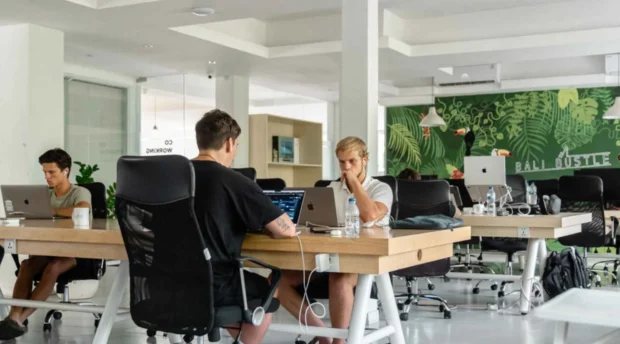
For remote workers choosing where to live, coliving for digital nomads in Bali offers a practical way to combine accommodation, work facilities, and opportunities to meet people. Instead of arranging a rental, searching for a suitable workspace, and building a social circle separately, residents may find these essentials under one roof.
The arrangement can be particularly appealing to freelancers, remote employees, and entrepreneurs who want to experience Bali without having to organize every detail of daily life from scratch.
A Living Arrangement That Supports Remote Work
Working remotely from Bali involves more than opening a laptop beside a swimming pool. A comfortable room, dependable internet connection, and a suitable place for video calls can make a significant difference to the working day.
· Workspaces Within Easy Reach
Some coliving properties provide dedicated desks, shared work areas, meeting rooms, or access to a nearby coworking space. Having these facilities close to home can save time, especially for people who need to maintain regular working hours.
Consider a freelance designer who spends several hours reviewing projects with overseas clients. A quiet workspace with a stable internet connection is likely to be more useful than a beautiful communal lounge where conversations continue throughout the afternoon.
· A Clearer Boundary Between Work and Leisure
Living and working in the same place can make it tempting to keep checking messages long after working hours. A separate desk or coworking area can help create a routine, giving residents a place to concentrate before returning to their rooms or shared living spaces.
This arrangement may also reduce the need to work from cafés every day. Cafés can be enjoyable for occasional changes of scenery, but noise, crowded tables, and inconsistent connectivity may not suit every task.
An Easier Way to Meet Other Digital Nomads
Moving to a new destination can be exciting, but spending evenings alone in unfamiliar surroundings is not everyone’s idea of an ideal extended stay. Coliving introduces opportunities for social interaction without requiring residents to organize every activity themselves.
· Shared Spaces Encourage Everyday Connections
Communal kitchens, dining areas, gardens, and lounges create natural opportunities to start conversations. Someone preparing breakfast might meet a web developer, while an evening in the shared lounge could introduce a newcomer to people who have already explored the neighborhood.
These interactions can be useful beyond friendship. Residents may exchange recommendations for local restaurants, discuss work tools, or share advice about transport and finding long-term accommodation. For someone arriving in Bali alone, even a few familiar faces can make the first weeks feel less unfamiliar.
· Community Without Mandatory Socializing
Some coliving spaces organize group dinners, workshops, fitness sessions, or weekend outings. These activities can help residents connect with others who have similar interests.
Still, a social environment should not mean constant interaction. People have different working styles and levels of sociability. Before choosing a property, check whether events are optional and whether private rooms provide enough separation when residents need quiet time.
Furnished Rooms and Shared Facilities
Many properties offer furnished rooms alongside shared kitchens, laundry facilities, and communal living areas. Depending on the arrangement, Wi-Fi, utilities, and regular cleaning may also be included.
This can be useful for someone staying in Bali for a few weeks or months who does not want to purchase household essentials or negotiate several separate service agreements. A ready-to-use room also makes it easier to settle in and establish a working routine shortly after arrival.
However, the details differ between properties. Some provide private bathrooms and extensive facilities, while others have simpler rooms and shared amenities. Reading the terms carefully helps prevent unexpected expenses.
Understanding the Overall Cost
Coliving is not automatically the cheapest accommodation option. A private room in a managed property may cost more than renting a room in a local house, particularly when the property includes coworking facilities and organized activities.
The comparison becomes more useful when all expenses are considered. Calculate the accommodation fee alongside internet access, utilities, cleaning, transport, and any separate coworking membership. A slightly higher room rate may be worthwhile if it covers services that would otherwise require additional spending.
Access to Bali’s Different Lifestyles
Bali does not offer a single experience for remote workers. The atmosphere changes considerably between neighborhoods, so location should be part of the accommodation decision.
Canggu is associated with cafés, surf spots, fitness studios, and a substantial international community. Pererenan offers access to a similar coastal area, although the atmosphere varies from one street to another.
For digital nomads who enjoy meeting people, trying new cafés, and spending free time outdoors, these areas can provide plenty to explore. The trade-off is that traffic, construction noise, and busy streets may affect daily routines.
Ubud may appeal to people who prefer a greener setting, cultural activities, and access to wellness classes. Its environment can offer a different rhythm from Bali’s busier coastal communities.
However, a quieter atmosphere does not guarantee a productive working environment. Internet quality, road access, and the distance to cafés or essential services still deserve attention. Choose the area according to your actual routine, not just the image you have seen online.
Flexibility for Different Working Routines
One reason coliving for digital nomads in Bali appeals to remote workers is the possibility of settling into a furnished environment without committing to a conventional long-term rental. This can be helpful for freelancers between projects, employees working remotely for a few months, or entrepreneurs exploring whether Bali suits their lifestyle.
Nevertheless, flexibility depends on the property’s booking policy. Check minimum stays, deposits, cancellation terms, extension options, and charges for leaving early. Remote employees should also consider time-zone differences and whether communal areas remain accessible during late-night or early-morning working hours.
Ultimately, coliving for digital nomads in Bali is worth considering if you want a furnished place to live, a practical environment for remote work, and opportunities to connect with others. Compare the facilities, costs, and booking conditions carefully before deciding.
The best arrangement is not necessarily the most luxurious one, but the one that fits your working habits and makes everyday life on the island easier.